Home › Tartans › Campbell of Breadalbane Ancient
A clan and family tartan, available to order. Everything we make in Campbell of Breadalbane Ancient: kilts, kilted skirts, accessories and full Highland outfits, every piece cut to your own measurements.
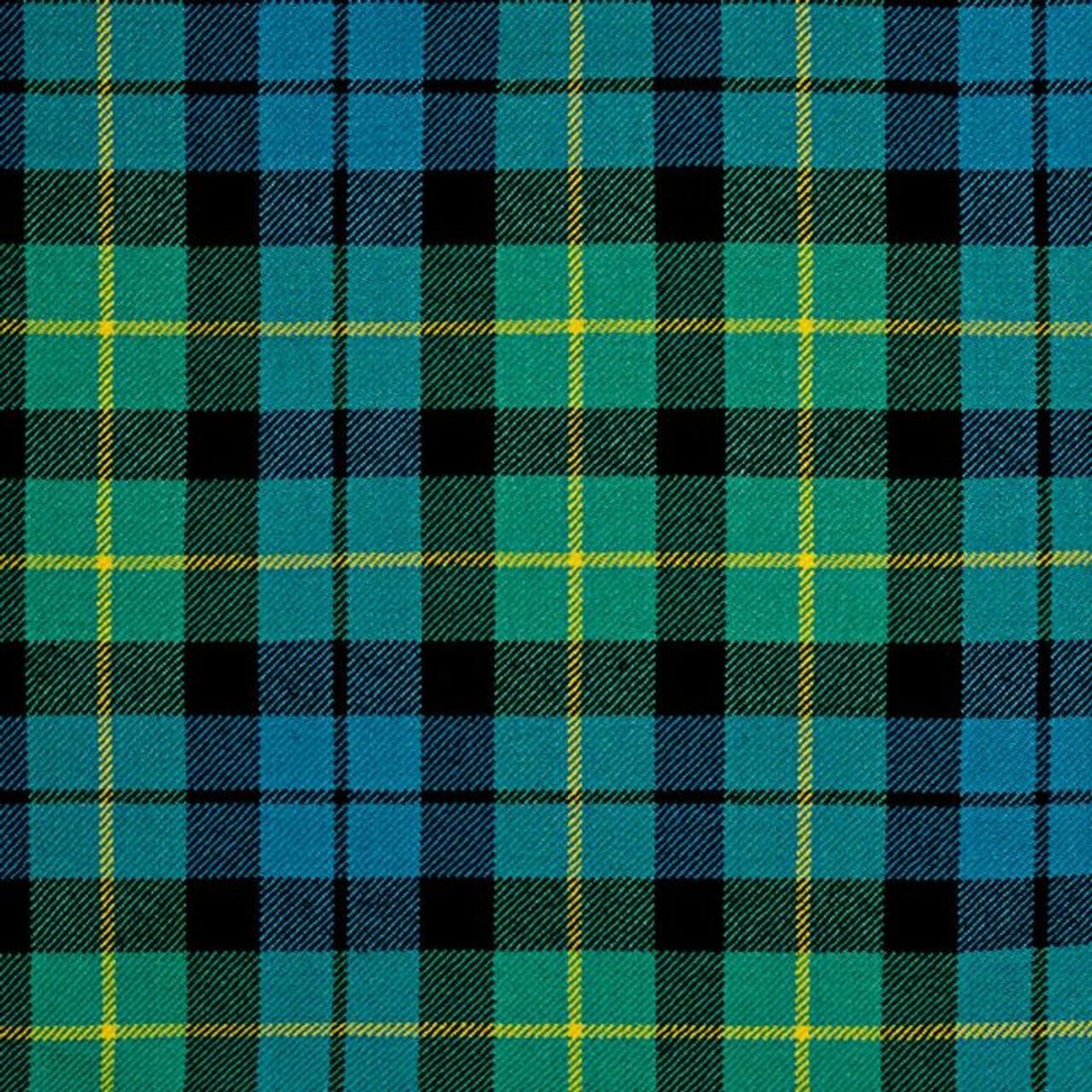 Ancient
The Campbell of Breadalbane Ancient tartan, made to order by Handmade Kilt. Choose it for a kilt, a kilted skirt, an accessory or a full Highland outfit — everything below is cut to your own measurements.
Choose your product
Everything below can be made in the Campbell of Breadalbane Ancient tartan. Choose a product, then pick your size and options on the next page — the tartan is already selected for you.
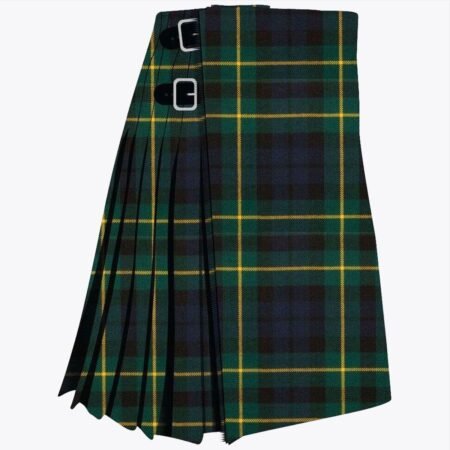
Available in Campbell of Breadalbane Ancient
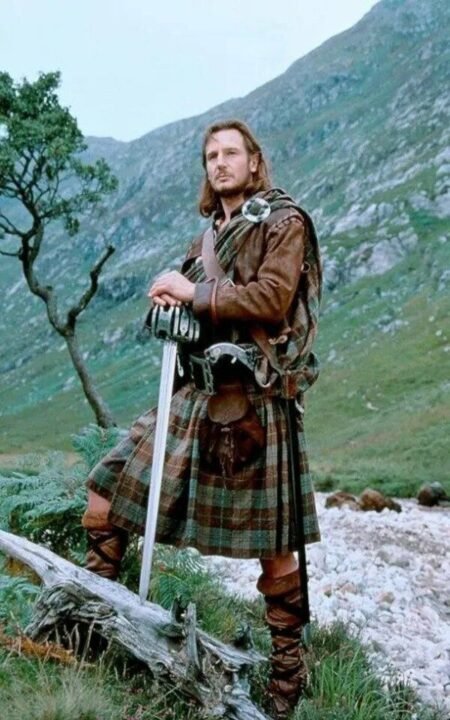

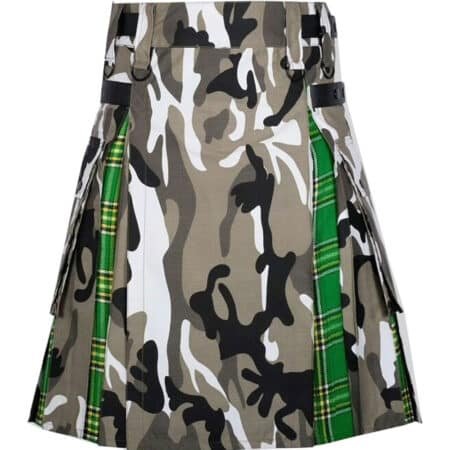

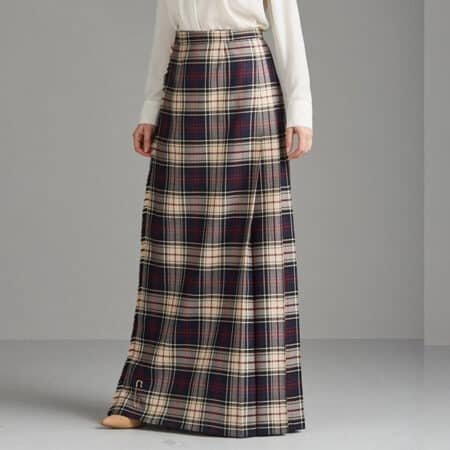
Available in Campbell of Breadalbane Ancient
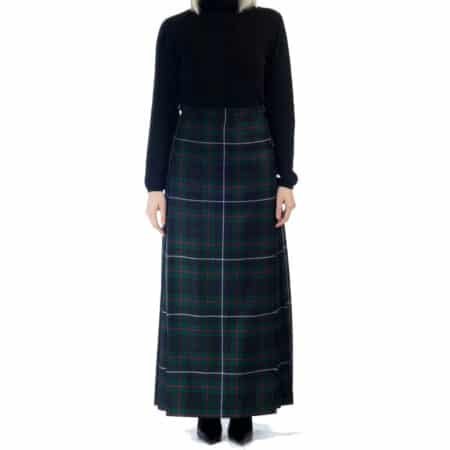

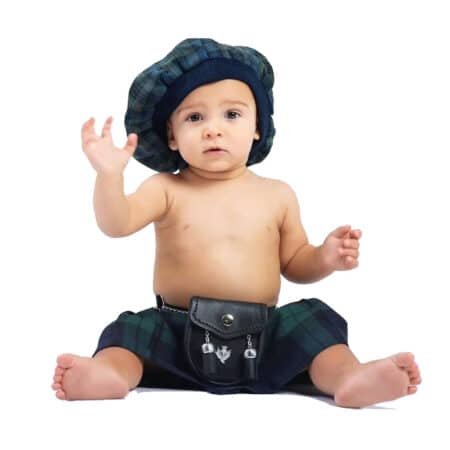
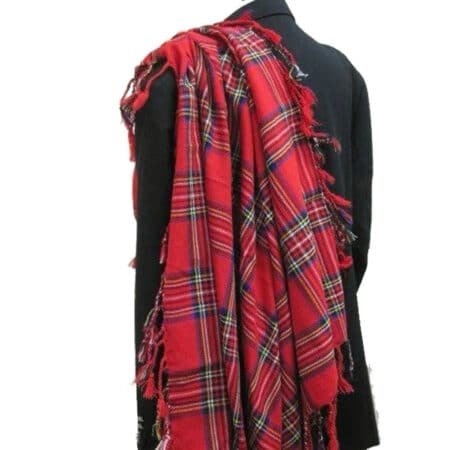


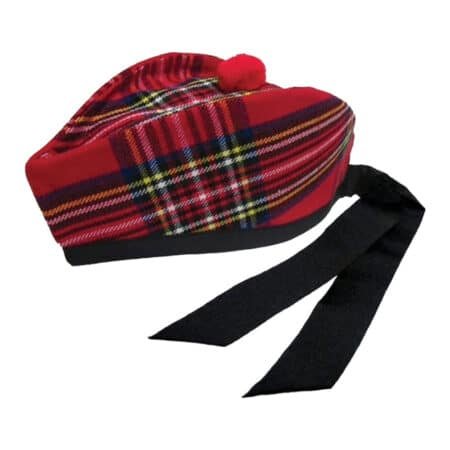
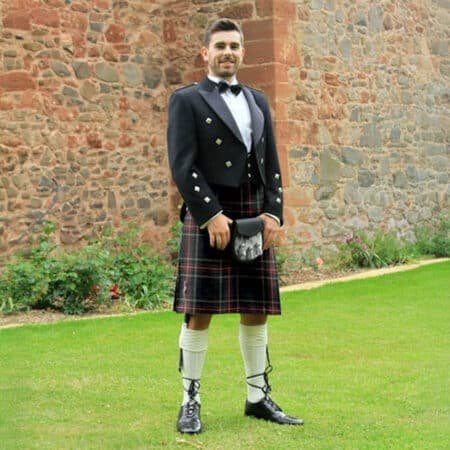
Available in Campbell of Breadalbane Ancient
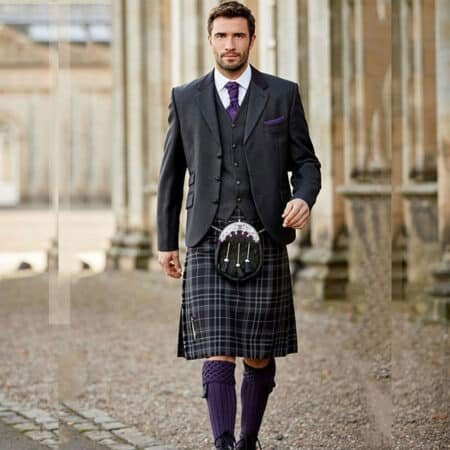
Available in Campbell of Breadalbane Ancient
Available in Campbell of Breadalbane Ancient
Available in Campbell of Breadalbane Ancient
The sett
One of the nineteenth-century authorities who recorded this sett dismissed it as a trade fancy, and the Marquess of Breadalbane is the man who supplied it as his family pattern — both statements sit in the record together.
The branch starts with Sir Colin Campbell, first of Glenorchy, born about 1406 and dead in 1475, a younger son of Duncan Campbell, 1st Lord Campbell. He received Glenorchy and other lands from his father in 1432 and built Kilchurn at the head of Loch Awe. His successors pushed steadily east out of Argyll into Breadalbane, Perthshire and Tayside, and the branch ended up with more ground than most independent clans. Sir Duncan Campbell of Glenorchy, remembered as Black Duncan of the Seven Castles, was made a baronet of Nova Scotia in 1625.
Sir John Campbell, fifth baronet, who lived from 1635 to 1717, earned the name Slippery John. He tried to take the earldom of Caithness in 1677 on the strength of debts owed him by the sitting earl, lost the claim when it was challenged, and was compensated by Charles II with a new creation on 13 August 1681 as Earl of Breadalbane and Holland. He served as the crown’s principal negotiator in the pacification of the Highland clans, a role that runs straight into the killings at Glencoe in February 1692 and has kept his reputation unsettled ever since.
John Campbell, 4th Earl, who lived from 1762 to 1834, came in from a cadet line after the senior male succession failed, was created Marquess of Breadalbane in 1831, and rebuilt Taymouth Castle on Loch Tay as one of the largest Gothic revival houses in Scotland. His son died childless and the United Kingdom peerages became extinct in 1862. A second marquessate was created for Gavin Campbell, 7th Earl, in 1885 and went extinct again on his death in 1922. The Scottish earldom itself has been dormant since the tenth earl died childless in 1995. That matters to the tartan: there is no longer anyone at the head of this branch to say what its pattern should be.
The clan version of the sett is the Government pattern with yellow added: navy, green, black and a yellow line. Its documented career begins as pattern No. 64 in the books of Wilsons of Bannockburn, recorded there in 1819, though a clan society account dates its first appearance to 1810 and the two have not been squared. It becomes plain Breadalbane in the Cockburn Collection and in the Scott Adie pattern book of around 1850, and then Campbell of Breadalbane in the Smiths’ Authenticated Tartans of 1850. It is in the 1880 Clans Originaux too, and appears in D. W. Stewart’s collection of 1893.
The complication is that D. C. Stewart’s index card for the pattern states two things at once: that the Marquess of Breadalbane supplied it to the Smiths, and that it was in his view a spurious trade sett of the kind the weavers called a fancy. Against that, an old pattern book from Killin records the sett as copied from a plaid then in the keeping of the Captain of Dunstaffnage, dated to about 1750. The record does not settle which account is right. What is certain, and useful, is that Wilsons wove their No. 64 skeleton in several colourways and sold it under different names — Abercrombie, Graham, MacCallum and Rollo among them — so the design is not exclusive to this family in origin even if the naming has stuck.
There is a second and quite distinct Breadalbane tartan, a military one, attributed to Wilsons and dated 1793. D. W. Stewart reconstructed it from part of the regimental uniform of a Major Campbell of the Breadalbane Fencibles, corroborated by contemporary illustrations, and the corps served from 1793 until its disbandment in 1802. It is much larger in scale than the clan pattern and should not be confused with it. Anyone specifically after the regimental sett needs to ask for it by name.
Campbells of the Breadalbane and Glenorchy lines, and people with a connection to the Loch Tay and upper Perthshire estates, are the natural wearers, and this is one of the four Campbell setts Alastair Campbell of Airds listed in Campbell Tartan (1985) as carrying the authority of MacCailein Mòr. With the earldom dormant there is nobody positioned to police it, and nobody ever was in any enforceable sense. A Campbell of any line may wear it. The setting — modern, ancient, weathered or muted — changes only the dye shades, not the pattern or the claim.
Sources: Wikipedia, Earl of Breadalbane and Holland and Clan Campbell; Clan Campbell Society (North America), Campbell of Breadalbane branch and tartan pages; D. W. Stewart, Old and Rare Scottish Tartans (1893), and D. C. Stewart’s pattern notes, as cited in the Scottish Tartans Authority tartan database; William and Andrew Smith, The Authenticated Tartans of the Clans and Families of Scotland (1850); Scottish Register of Tartans.
All 2,107 tartans are available to order, and any of them can be cut into any style on this page.