Every kilt made to your measurements · 2,100+ tartans · Expert sizing help

Home › Tartans › Menzies Dress Purple
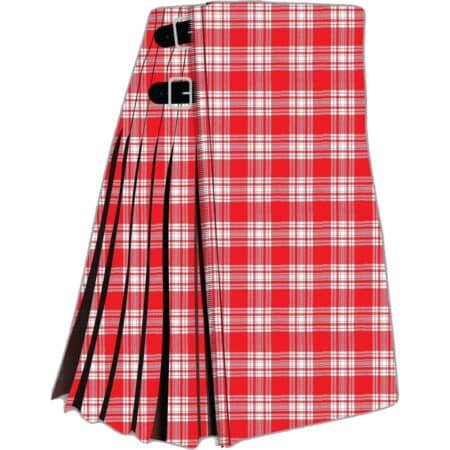
A clan and family tartan, available to order. Everything we make in Menzies Dress Purple: kilts, kilted skirts, accessories and full Highland outfits, every piece cut to your own measurements.
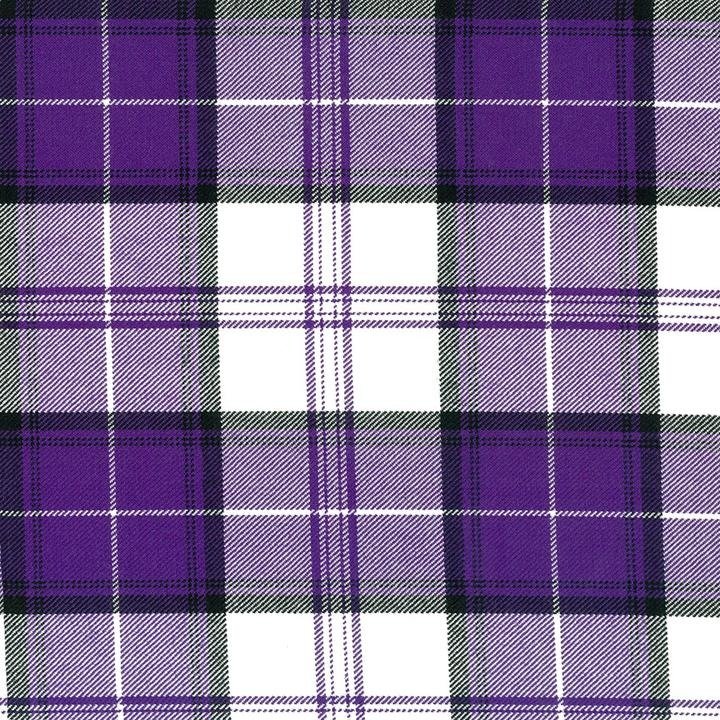 Standard
The Menzies Dress Purple tartan, made to order by Handmade Kilt. Choose it for a kilt, a kilted skirt, an accessory or a full Highland outfit — everything below is cut to your own measurements.
Choose your product
Everything below can be made in the Menzies Dress Purple tartan. Choose a product, then pick your size and options on the next page — the tartan is already selected for you.
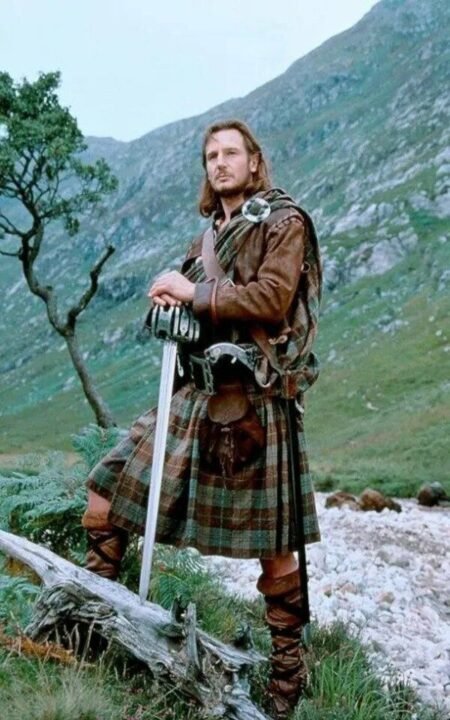

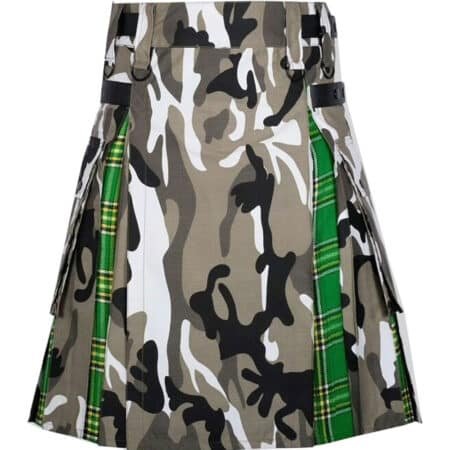

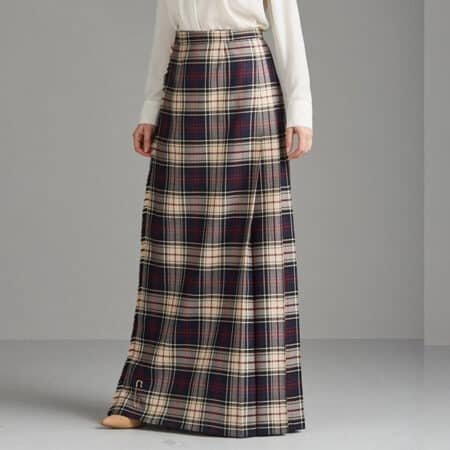
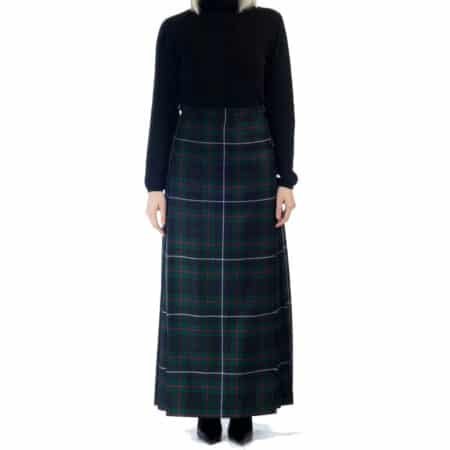

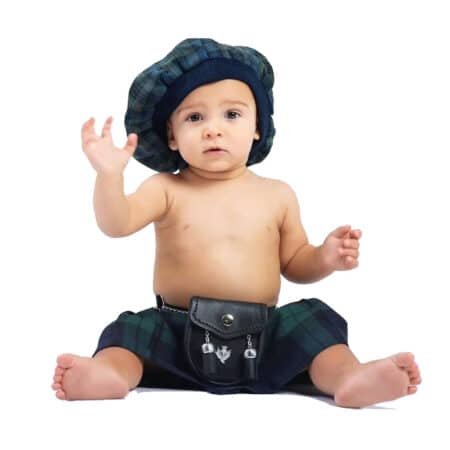
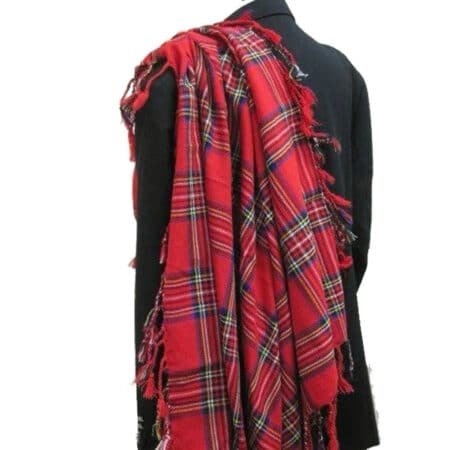


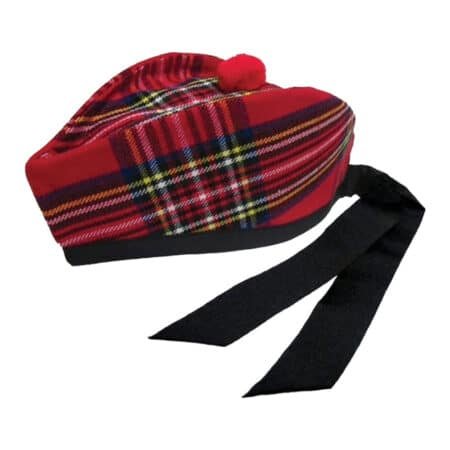
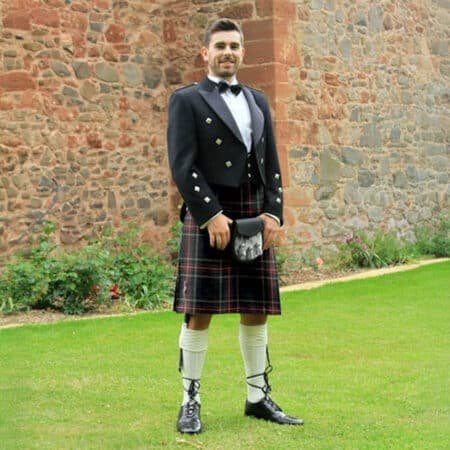
Available in Menzies Dress Purple
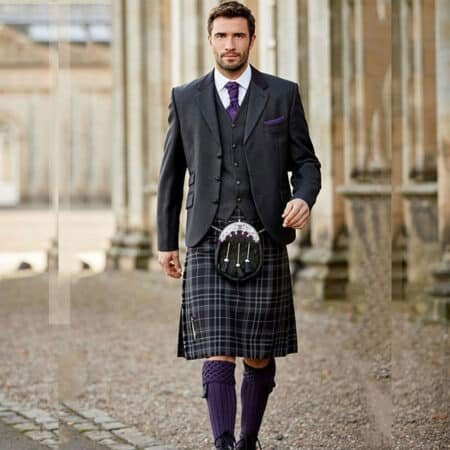
Available in Menzies Dress Purple
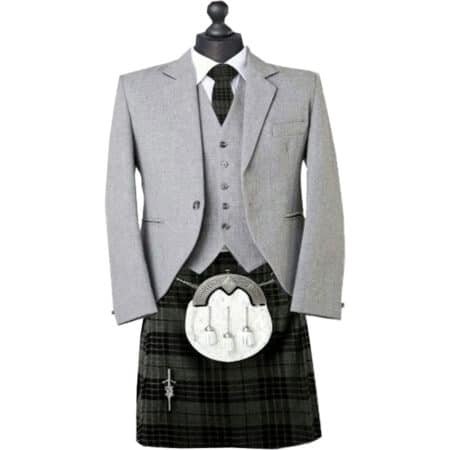
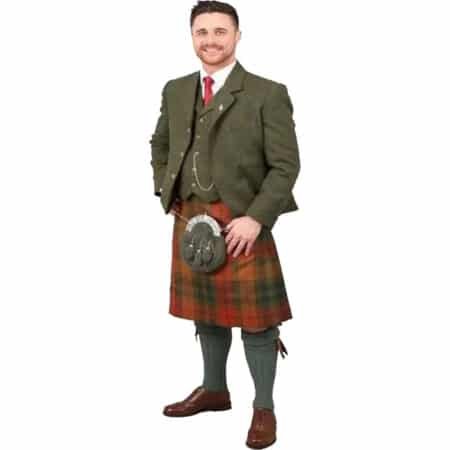
Available in Menzies Dress Purple

Available in Menzies Dress Purple

Available in Menzies Dress Purple
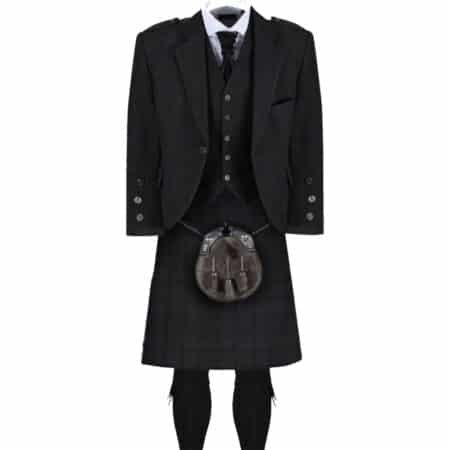
Available in Menzies Dress Purple

Available in Menzies Dress Purple
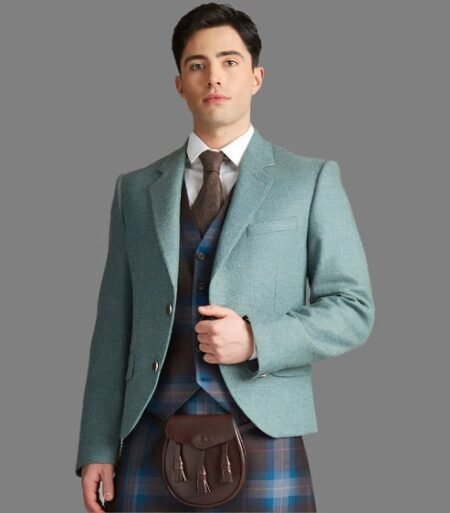


Available in Menzies Dress Purple

Available in Menzies Dress Purple
The sett
Thirteen separate Menzies setts are on record, and one of the best attested of them is red and white, which is why a Menzies in a kilt shop sometimes looks nothing like the Menzies next to it.
The family is Norman in origin and the name is usually traced to Mesnieres in Normandy. Relatives who stayed south of the border are said to have become the Manners of England, ancestors of the dukes of Rutland; that is a family claim of long standing rather than a documented descent. What is documented is the arrival: Sir Robert de Myneris appears at the court of Alexander II, received royal patronage and was chamberlain in 1249. The Gaelic form, Clann Meinnear with a member called Meinnearach, is what Perthshire Gaelic did to a French place-name over three centuries, and the pronunciation closer to Mingis than to the spelling preserves the older Scots sound.
Robert’s son Alexander of Strathtay put the holdings together by marriage and grant: lands in Glen Lyon and Atholl, then Weem, consolidated by royal grants in 1296. He married Egida, daughter of James Stewart, fifth High Steward, and the family kept that Stewart connection for centuries; in 1540 James Menzies married Barbara Stewart, daughter of the third Earl of Atholl. Later grants brought in Glen Dochart, Finlarig, Glen Orchy and Durisdeer.
The eighth chief, Sir Robert Menzies, built Weem Castle about 1488. In 1502 it was plundered by Stewart of Garth in a quarrel over dowry lands, and in 1510 James IV restored the family’s position by erecting their lands into a free barony. The seat that replaced it, originally the Palace of Weem, is Castle Menzies.
Royal marriages did not make the Menzies royalists. In the Wars of the Three Kingdoms the clan opposed Charles I and was harried for it by Montrose; the chief was fatally wounded, and his son was killed at Inverlochy in 1645 serving as a Covenanter officer. Northern families of the name stayed with Montrose, which is the usual pattern once a clan is large enough to contain a disagreement.
In 1665 Sir Alexander Menzies was made a baronet of Nova Scotia; his brother, Colonel James Menzies of Culdares, claimed to have survived nine serious wounds. Menzies of Culdares came out for the Jacobites in 1715, was captured and transported to Maryland, and on his return stayed out of 1745. The chiefs also stood aside in 1745, though Menzies of Shian led clansmen into the field and was killed along with his son. Charles Edward Stewart slept two nights at Castle Menzies; four days later the same house held Cumberland’s troops. Afterwards the people of Glen Lyon sheltered fugitives from Culloden, including men of the prince’s household.
Few families have this many recorded setts, and the reason is that Menzies patterns survive in several unrelated places. The oldest is probably the one known as Menzies number two, out of the pattern books of Wilson of Bannockburn. A version taken off an original portrait at Castle Menzies by the tartan researcher Peter MacDonald is recorded as Menzies of Culdares. The red and white sett known as Menzies 1815 comes from the Cockburn Collection and was certified by the chief of the day about 1816, which puts it among the better documented family tartans. A further Menzies appears in the Vestiarium Scoticum of 1842, a book whose claimed sixteenth-century source has never been substantiated and which tartan historians treat with suspicion. Menzies Hunting was published by W & A K Johnston in 1906, and a certified hunting version exists in red and black. The pattern printed in Robert Bain’s book of 1938 was adopted as a mourning tartan in 2006. Others come out of the Dalgliesh, Paton, MacGregor-Hastie and Scott Brothers collections, in brown and white, mauve and white, dress blue and white, and black.
The consequence is that the Menzies name does not resolve to one arrangement of threads the way most do. Within any single sett, Modern, Ancient, Weathered and Muted are only dye conventions; but Menzies red and white and Menzies red and green are genuinely different designs, both legitimate, and neither is the wrong answer.
The chiefship is extant: Robert Steuart Menzies of Menzies, Baron of Menzies, born in 1965. Castle Menzies had fallen derelict when the Menzies Clan Society bought it in 1957 and began restoring it, which is why it can be visited. Anyone bearing the name or one of its spellings has the ordinary claim to the setts, as do descendants of the tenantry of Weem, Atholl and Glen Lyon. No clan tartan is exclusive in Scots law, and the choice between the red and white and the red and green is a matter of taste.
Sources: Wikipedia, Clan Menzies, including its list of recorded Menzies tartans and their attributions to the Wilson of Bannockburn pattern books, the Cockburn Collection, W & A K Johnston and the research of Peter MacDonald.
Near neighbours
This sett has no listing of its own yet. These are the Menzies tartans we list separately, all available to order in the same way.
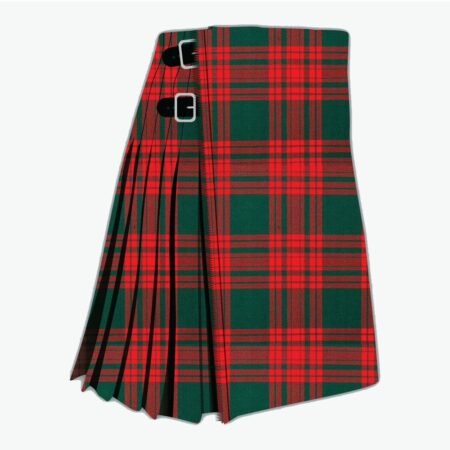
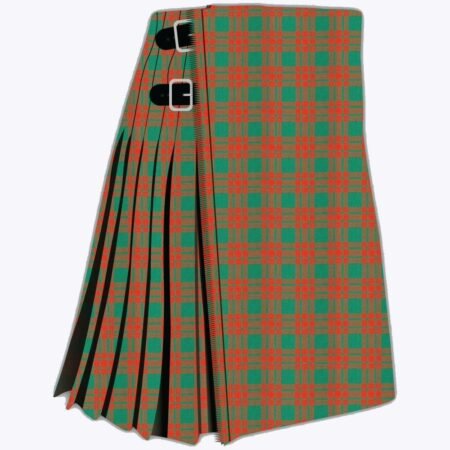

All 2,107 tartans are available to order, and any of them can be cut into any style on this page.