Every kilt made to your measurements · 2,100+ tartans · Expert sizing help
Home › Tartans › Erskine Red Ancient
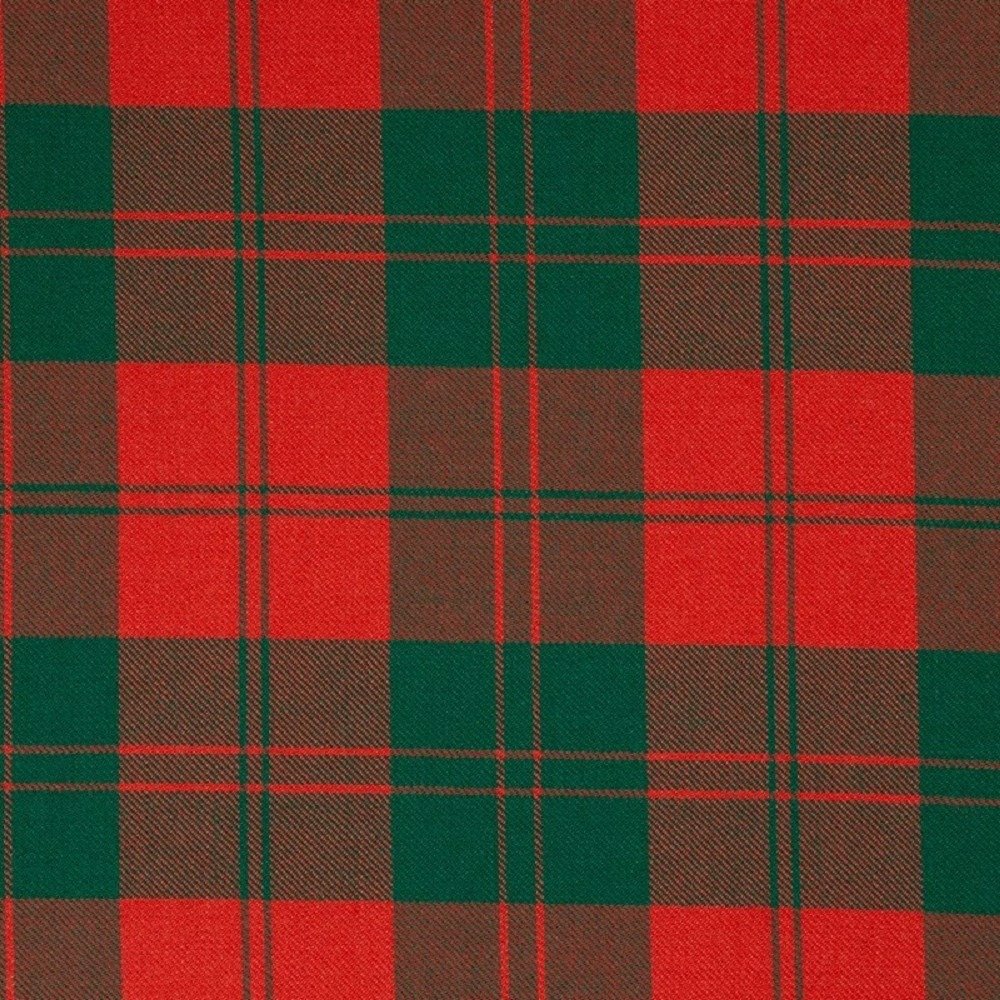
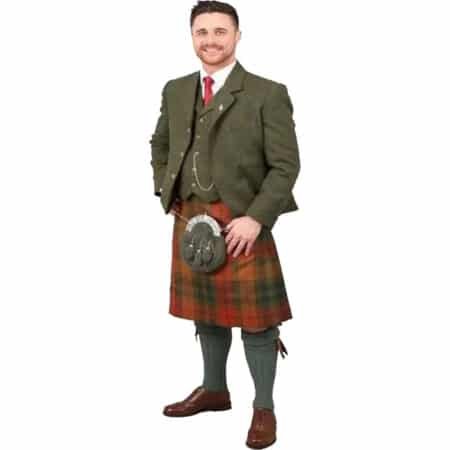
A clan and family tartan, available to order. Everything we make in Erskine Red Ancient: kilts, kilted skirts, accessories and full Highland outfits, every piece cut to your own measurements.
 Ancient
 Erskine Red
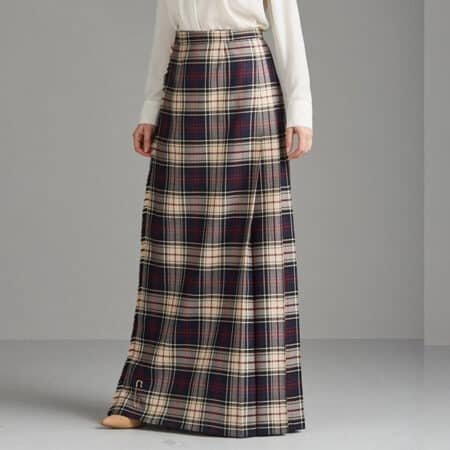
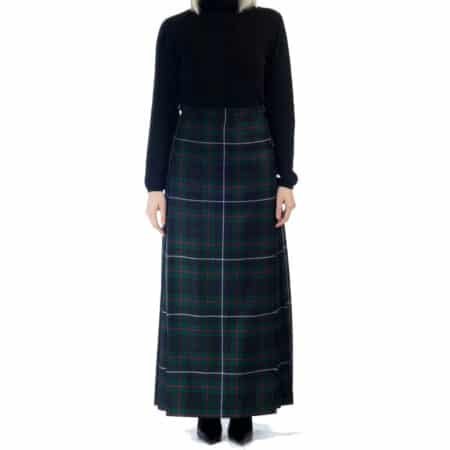
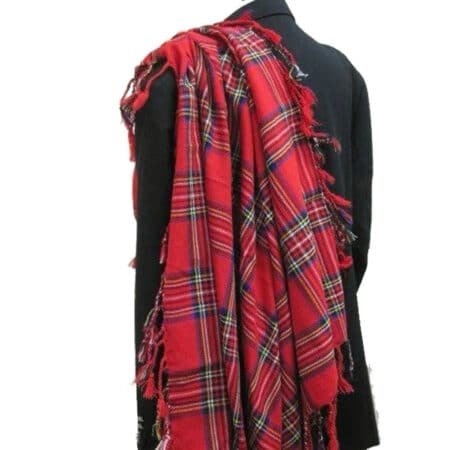
The Erskine Red Ancient tartan, made to order by Handmade Kilt. Choose it for a kilt, a kilted skirt, an accessory or a full Highland outfit — everything below is cut to your own measurements.
Choose your product
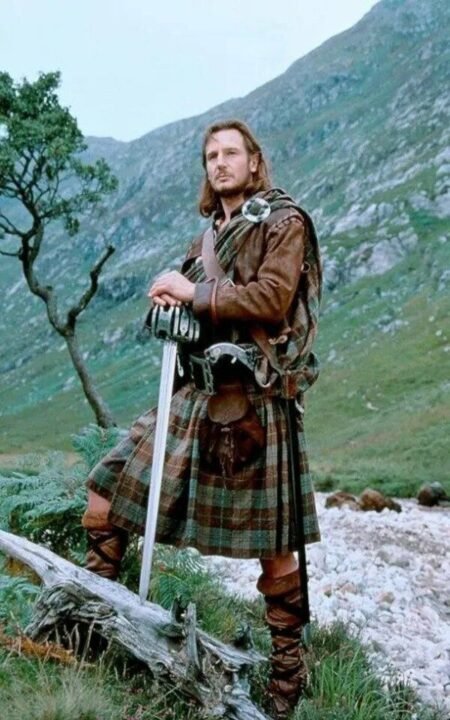
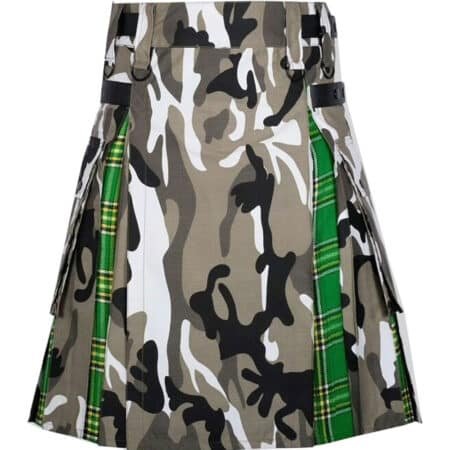
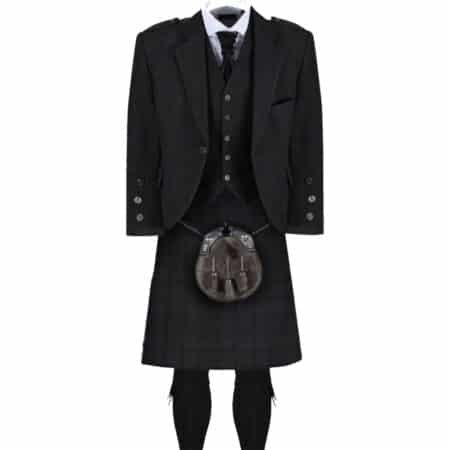
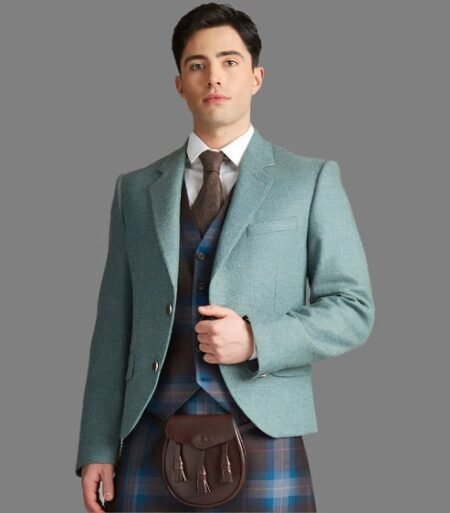
Everything below can be made in the Erskine Red Ancient tartan. Choose a product, then pick your size and options on the next page — the tartan is already selected for you.
Available in Erskine Red Ancient

Available in Erskine Red Ancient
Available in Erskine Red Ancient

Available in Erskine Red Ancient
Available in Erskine Red Ancient
Available in Erskine Red Ancient

Available in Erskine Red Ancient
Available in Erskine Red Ancient

Available in Erskine Red Ancient

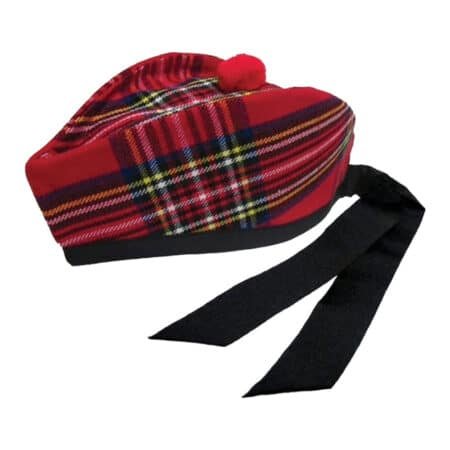
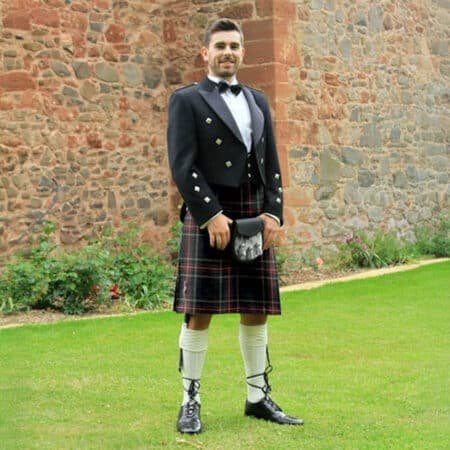
Available in Erskine Red Ancient
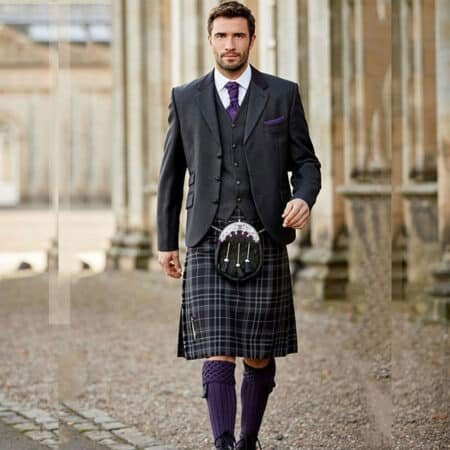
Available in Erskine Red Ancient
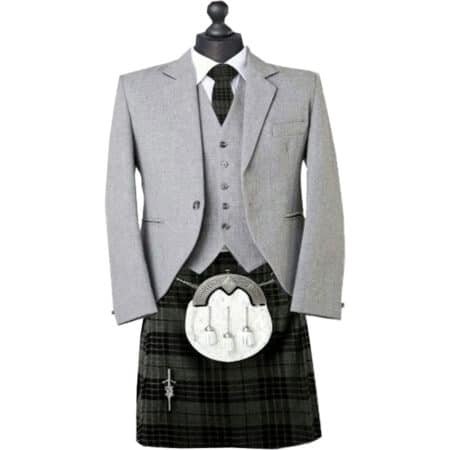
Available in Erskine Red Ancient
Available in Erskine Red Ancient

Available in Erskine Red Ancient

Available in Erskine Red Ancient
Available in Erskine Red Ancient

Available in Erskine Red Ancient
Available in Erskine Red Ancient

Available in Erskine Red Ancient

Available in Erskine Red Ancient

Available in Erskine Red Ancient
The sett
Very few Scottish surnames have ended up with two chiefs at once, but a court decision of 1875 and an Act ten years later split the earldom of Mar and left Erskine on one side of the line and Mar on the other.
The name is territorial, taken from the lands of Erskine in Renfrewshire on the south bank of the river. The usual gloss is Brittonic, something like green rising ground, which is a proposal rather than a settled reading; the district did keep British place-names through Gaelic and then Scots, so an early British element is plausible.
The first firm sighting of the family is a witness list. Henry de Erskine held the barony in the reign of Alexander II and about 1226 put his name to a charter by the Earl of Lennox granting the patronage and teinds of Rosneath to Paisley Abbey. Seventy years later John de Irskyn appears on the Ragman Rolls of 1296, submitting to Edward I. Marriage then did the work charters could not: the genealogies have the daughters of a later Sir John marrying into the first rank, one to Thomas Bruce, a brother of Robert I, another to the High Steward. By the mid fourteenth century Sir Robert de Erskine was keeper of Stirling Castle for David II, Chamberlain of Scotland from 1350 and justiciar north of the Forth.
Erskine ambition fixed on Mar, claimed through descent from a Countess of Mar. The crown refused, arguing the title had fallen in because the last man to hold it was a Stewart. The family built instead: Alloa Tower went up in 1497 for Alexander, third Lord Erskine, and was the chief seat for some three centuries. The fifth Lord was tutor to James V, and Mary, Queen of Scots, who spent her first years between Stirling and Alloa, granted the earldom of Mar to the sixth Lord. The seventh joined the seizure of the young James VI in 1582 known as the Raid of Ruthven, was exiled for it, returned to favour and was made Lord High Treasurer in 1616.
Nineteenth-century lawyers then made the split permanent. A House of Lords decision of 1875 attached the line descended from the creation of 1565 to the Erskine chiefship, and an Act of 1885 recognised the line descended from the creation of 1404 as the earldom of Mar proper. The result is that the chief of the name of Erskine is the Earl of Mar and Kellie — James Thorne Erskine, fourteenth of Mar and sixteenth of Kellie — while Mar has a chief of its own in the Countess of Mar. Readers who assume the two are interchangeable are working from a genealogy that the courts explicitly declined to accept.
John Erskine, Earl of Mar, who lived from 1675 to 1732, earned his nickname by changing sides. He supported the Union of 1707, was passed over for office in 1714, and in 1715 raised the standard for James Stuart, bringing out something in the order of ten thousand men. Sheriffmuir, fought against Argyll, settled nothing on the field and destroyed the rising all the same. Mar went to France; the titles and estates were forfeited, and were bought back in 1724 by another branch of the family. The earldom was restored in 1824, and the earldom of Kellie, created in 1619 for a younger son, came together with it in 1835. Sir Thomas Erskine bought Kellie Castle in 1613, the Earl of Mar acquired Corgarff in 1626, and the House of Dun was an Erskine house from 1375 until 1980.
The sett reaches the trade through the Vestiarium Scoticum, published in Edinburgh by William Tait in 1842 for the brothers who styled themselves Sobieski Stuart, where it appears under the older spelling Areskyn. The brothers claimed two manuscripts: a copy made at Cromarty in 1721, and a Douay original said to date to 1571 or earlier and to have belonged to Bishop John Lesley. It was never produced. Walter Scott was already sceptical in correspondence of 1829, and chemical examination by Stevenson Macadam in 1895 concluded that the manuscript could not be relied on as an old document. None of that makes the pattern unwearable; it means its authority is Victorian rather than mediaeval, which is equally true of most Lowland settings. Modern, Ancient, Weathered and Muted are dye conventions over one arrangement of threads.
The chiefship of the name has never lapsed, so the question is simple. Anyone called Erskine, in that spelling or the older Areskine and Irskyn forms, has the ordinary claim, as do those descended from the Erskine tenantry on the Clyde, at Alloa, at Dun and in Fife. Scots law confers no monopoly on a clan tartan and there is no list of approved wearers; the courtesy is to know whose pattern it is, and here to know that Mar is a separate matter.
Sources: Wikipedia, Clan Erskine, Vestiarium Scoticum, Corgarff Castle and Scottish clan.
Near neighbours
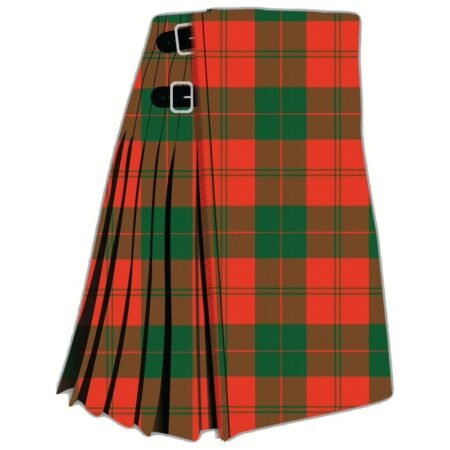
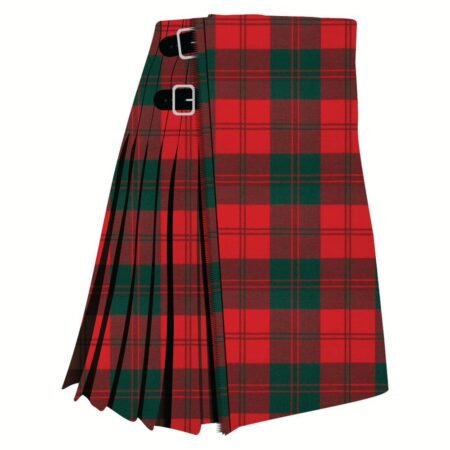
This sett has no listing of its own yet. These are the Erskine tartans we list separately, all available to order in the same way.
Near neighbours
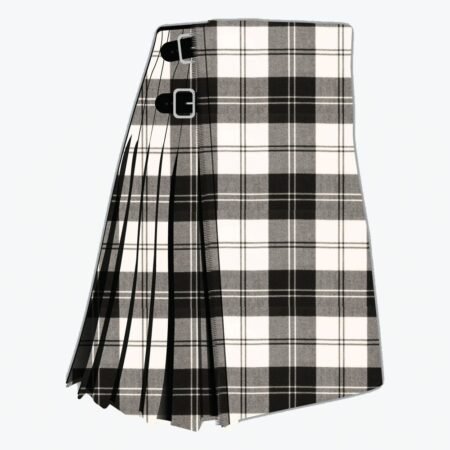
The same pattern in different depths of colour. Any of them can be made up in any style above.
All 2,107 tartans are available to order, and any of them can be cut into any style on this page.