
Home › Tartans › Dunbar Modern Reiver
Dunbar Modern Reiver Tartan
A clan and family tartan, available to order. Everything we make in Dunbar Modern Reiver: kilts, kilted skirts, accessories and full Highland outfits, every piece cut to your own measurements.

- Modern
Dunbar Modern Reiver Tartan · Modern
The Dunbar Modern Reiver tartan, made to order by Kilt 4 Less. Choose it for a kilt, a kilted skirt, an accessory or a full Highland outfit — everything below is cut to your own measurements.
- Tartan typeClan and family tartan
- Colours in it
- Red
- Brown
- Green
- Black
- How it is madeMade to order and cut to your own measurements
Choose your product
Products in Dunbar Modern Reiver
Everything below can be made in the Dunbar Modern Reiver tartan. Choose a product, then pick your size and options on the next page — the tartan is already selected for you.
Listed in this tartanone item
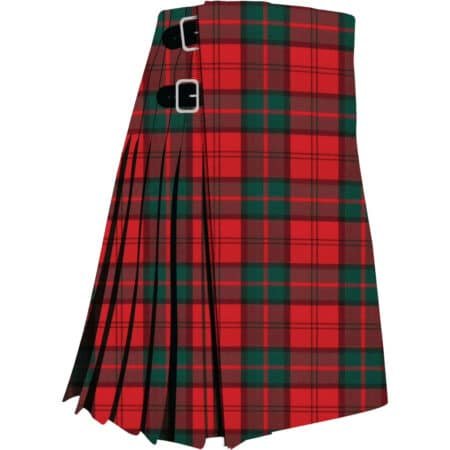 Listed in this tartan
Dunbar Modern Reiver Tartan Kilt
Available in Dunbar Modern Reiver
Original price was: £241.80.£159.00Current price is: £159.00.View →
Kiltsthree styles
 Made to order
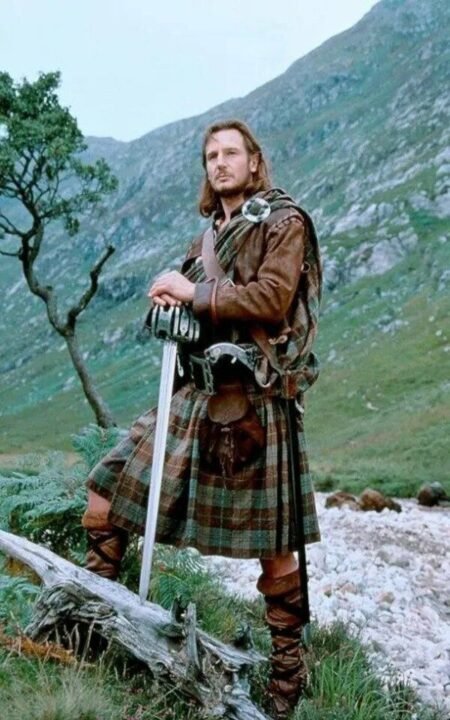
Great Kilt, 6 Yards
Available in Dunbar Modern Reiver
Original price was: £205.00.£60.00Current price is: £60.00.Configure → Made to order
Tartan Utility Kilt
Available in Dunbar Modern Reiver
Original price was: £110.00.£60.00Current price is: £60.00.Configure →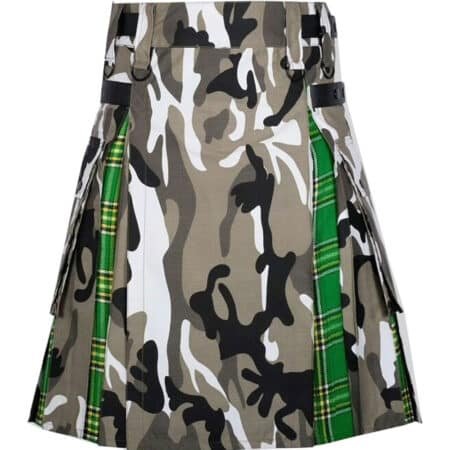 Made to order
Utility Cargo Hybrid Kilt
Available in Dunbar Modern Reiver
Original price was: £110.00.£65.00Current price is: £65.00.Configure →
For womenfour styles
 Made to order
Tartan Kilt for Women
Available in Dunbar Modern Reiver
Original price was: £120.00.£77.00Current price is: £77.00.Configure →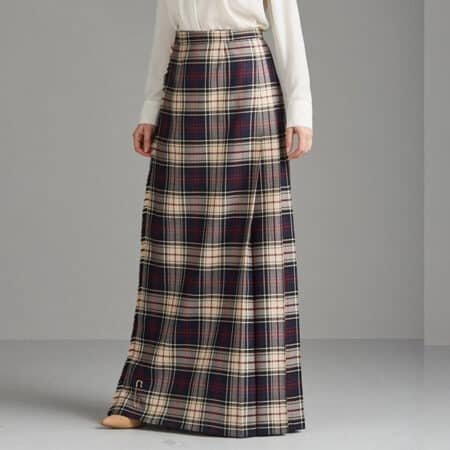 Made to order
The Classic Kilted Skirt, Maxi
Available in Dunbar Modern Reiver
Original price was: £350.00.£89.00Current price is: £89.00.Configure →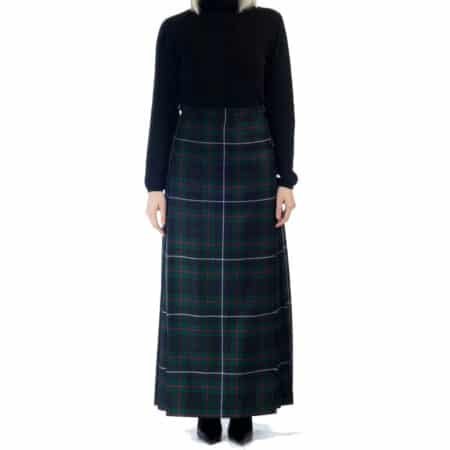 Made to order
Long Kilted Skirt, Maxi
Available in Dunbar Modern Reiver
Original price was: £199.00.£145.00Current price is: £145.00.Configure → Made to order
Full Length Hostess Kilt
Available in Dunbar Modern Reiver
Original price was: £135.00.£95.00Current price is: £95.00.Configure →
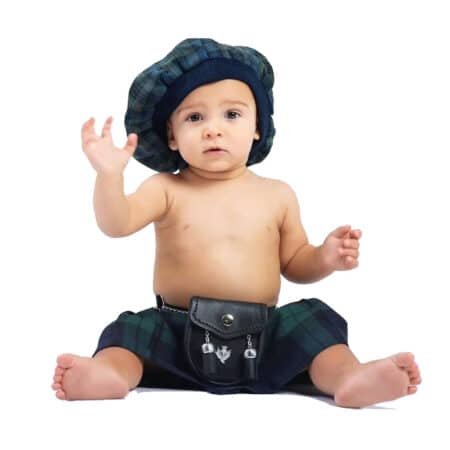
For childrenone style
Accessoriesfour styles
 Made to order
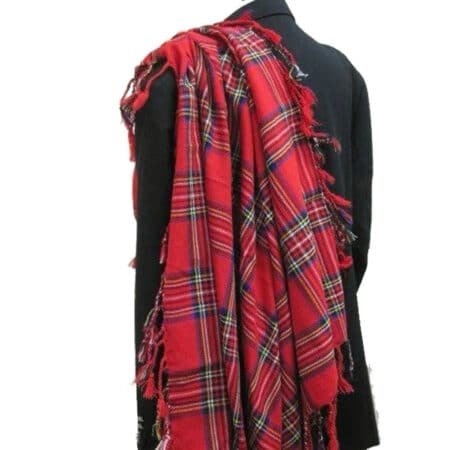
Tartan Fly Plaid
Available in Dunbar Modern Reiver
Original price was: £80.00.£45.00Current price is: £45.00.Configure → Made to order
Tartan Sash
Available in Dunbar Modern Reiver
Original price was: £99.00.£49.00Current price is: £49.00.Configure →
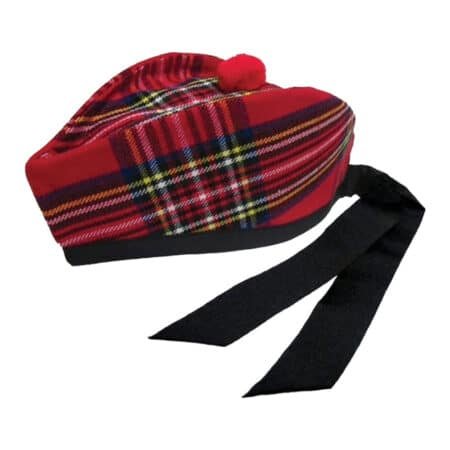
Full Highland outfits39 styles
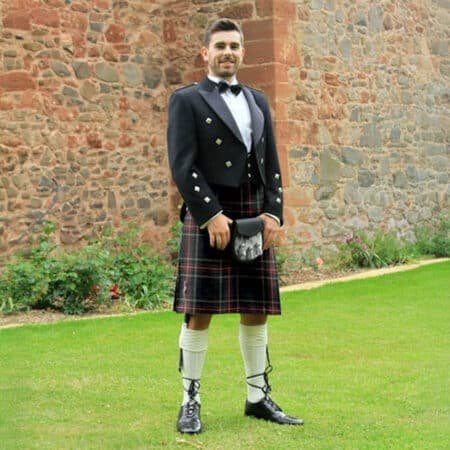 Made to order
Men’s 8 Yard Prince Charlie Kilt Outfit
Available in Dunbar Modern Reiver
Original price was: £499.00.£315.00Current price is: £315.00.Configure →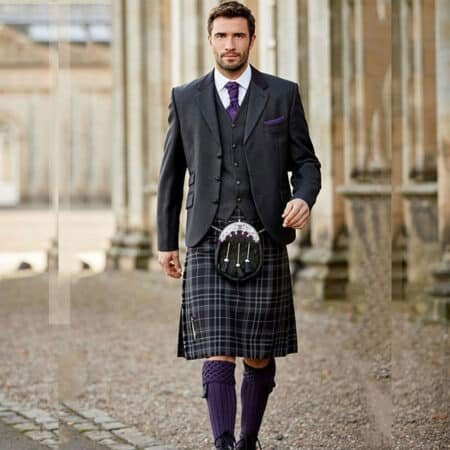 Made to order
McCalls Highland Kilt Outfit With Argyll Jacket
Available in Dunbar Modern Reiver
Original price was: £510.00.£270.00Current price is: £270.00.Configure →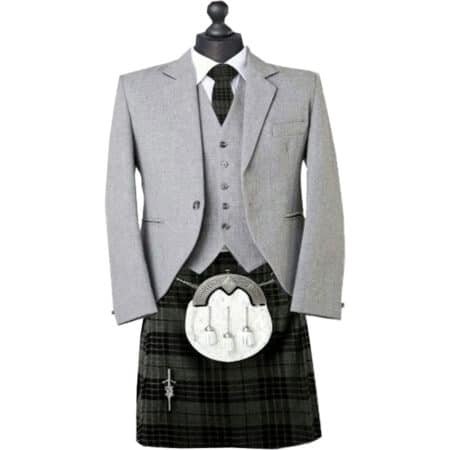 Made to order
Scottish Wedding Men Kilt Outfit
Available in Dunbar Modern Reiver
Original price was: £700.00.£304.00Current price is: £304.00.Configure →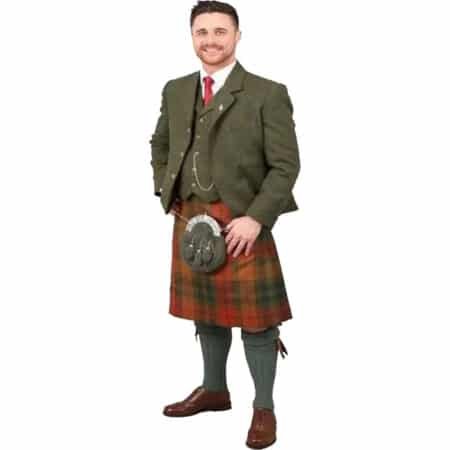 Made to order
Forest Green Tweed Jacket Kilt Outfit
Available in Dunbar Modern Reiver
Original price was: £489.00.£249.99Current price is: £249.99.Configure → Made to order
Aberdeen Forever Tartan Argyll Kilt Outfit
Available in Dunbar Modern Reiver
Original price was: £623.22.£300.00Current price is: £300.00.Configure → Made to order
Black Isle Argyll Jacket Kilt Outfit
Available in Dunbar Modern Reiver
Original price was: £504.00.£315.00Current price is: £315.00.Configure →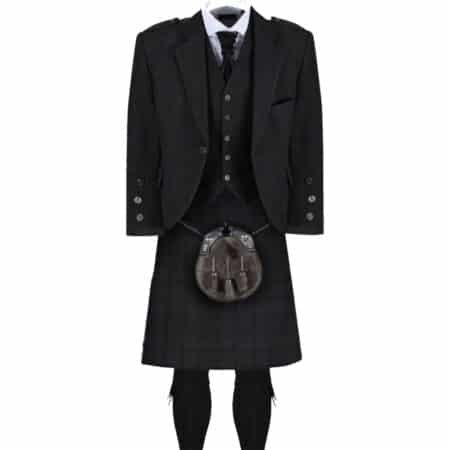 Made to order
Black Isle Dark Grey Tweed Jacket Kilt Outfit
Available in Dunbar Modern Reiver
Original price was: £510.00.£315.00Current price is: £315.00.Configure → Made to order
Black Stewart Tartan Argyll Kilt Outfit
Available in Dunbar Modern Reiver
Original price was: £467.22.£235.00Current price is: £235.00.Configure →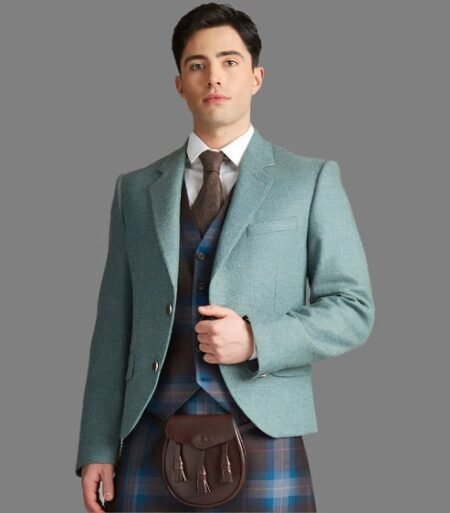 Made to order
Blue Lovat Tweed Jacket Kilt Outfit
Available in Dunbar Modern Reiver
Original price was: £504.00.£350.00Current price is: £350.00.Configure → Made to order
Blue Prince Charlie Rangers Outfit
Available in Dunbar Modern Reiver
Original price was: £500.00.£320.00Current price is: £320.00.Configure → Made to order
Charcoal Grey Tweed Jacket Kilt Outfit
Available in Dunbar Modern Reiver
Original price was: £504.00.£350.00Current price is: £350.00.Configure → Made to order
Clan Giants Causeway JR679T Tartan Black Jacket Kilt Outfit
Available in Dunbar Modern Reiver
Original price was: £545.00.£210.00Current price is: £210.00.Configure →
The sett
About the Dunbar Modern Reiver tartan
For three centuries this family held the door between Scotland and England, and the crown eventually decided that no subject should hold a door like that.
A Northumbrian refugee and a rock above the harbour
The name is territorial and the place came first. Dunbar sits on the East Lothian coast above its harbour, on a site that had been fortified long before any Scottish earl held it: it belonged in turn to the Votadini of the Gododdin, to the Anglian kings of Bernicia and to the Northumbrian world that ran up the coast from Bamburgh. The family that took the name enters the story around 1070, when Gospatric, Earl of Northumbria, fled north from the Norman settlement of England and was given lands in Lothian by Malcolm III. The castle he raised at Dunbar became the seat of his descendants, who were earls of Dunbar and, later, earls of March.
That origin matters for how the name should be read. The Dunbars are not a Gaelic clan that acquired a Lowland estate. They are an Anglo-Northumbrian comital house that became Scottish by grant and by proximity, and their power was always the power of a frontier fortress rather than of a kindred in a glen.
Black Agnes
The best-remembered episode is the siege of 1338, when the castle was held by Agnes, Countess of Dunbar, alongside Sir Alexander Ramsay of Dalhousie, against an English army under William Montagu, first Earl of Salisbury. The defence succeeded, and the countess has been Black Agnes ever since. It is worth noticing what the story actually shows: not a romantic exception, but that Dunbar was the fortress the English had to take if they wanted Lothian, and that it could be held against them.
The earl who changed sides
George, tenth Earl of Dunbar and Earl of March, who lived from 1338 to 1422, is the figure in whom the family’s strength and its weakness are both visible. In 1397 the betrothal of his daughter Elizabeth to the heir to the throne, David Stewart, was set aside through Douglas influence. He responded by renouncing his Scottish lands and his allegiance to Robert III and taking his household to the court of Henry IV, and he fought on the English side at Homildon Hill. Sir Walter Haliburton brokered a reconciliation with the Douglases in 1408, and the earl came home the following year and recovered March, though Annandale was lost. His son did not keep it. The earldom was taken into the crown’s hands in the fifteenth century and the castle was afterwards dismantled to keep it out of English use; the sources give the year of the forfeiture inconsistently, and a page that offers you a single confident date for it is guessing.
James IV restored the castle in the 1490s, and it had a last, violent prominence in the 1560s through Bothwell and Mary, Queen of Scots. In December 1567 the Scottish Parliament ordered it cast down to the ground. Demolition proved expensive and was never finished properly, but it was never rebuilt either, and the ruin above the harbour is what remains. The family continued in its branches, in Moray, in Galloway and in the far north, long after the earldom had gone.
What can and cannot be said about the sett
Nothing was found in the sources consulted that dates a Dunbar tartan, names a designer, or records an early wearing of it, and it is better to say so than to invent a lineage. The general position holds: there was no system of named family tartans before the Highland Society of London began asking chiefs for certified specimens in 1815, and the great expansion of named setts followed the Vestiarium Scoticum of 1842, a book offered as a transcript of a sixteenth-century manuscript that its compilers never produced. A Lowland and Border name enters the tartan record at that point or later. The Modern, Ancient and Weathered versions of the sett are dye conventions applied to one arrangement of stripes rather than three separate patterns.
Open to the name
Anyone of the name in its various spellings. The great title went into the crown’s hands more than five hundred years ago, so the question of permission is not a live one, and the name is carried today by families whose connection to the earls is a matter of surname rather than of proven descent.
Sources: Dunbar Castle, Wikipedia; George I, Earl of March, Wikipedia; Scottish Tartans Authority, The History of Tartan; Tartan, Wikipedia.
Not the sett you were after?
All 2,107 tartans are available to order, and any of them can be cut into any style on this page.