
Home › Tartans › Campbell of Louden Modern
Campbell of Louden Modern Tartan
A clan and family tartan, available to order. Everything we make in Campbell of Louden Modern: kilts, kilted skirts, accessories and full Highland outfits, every piece cut to your own measurements.
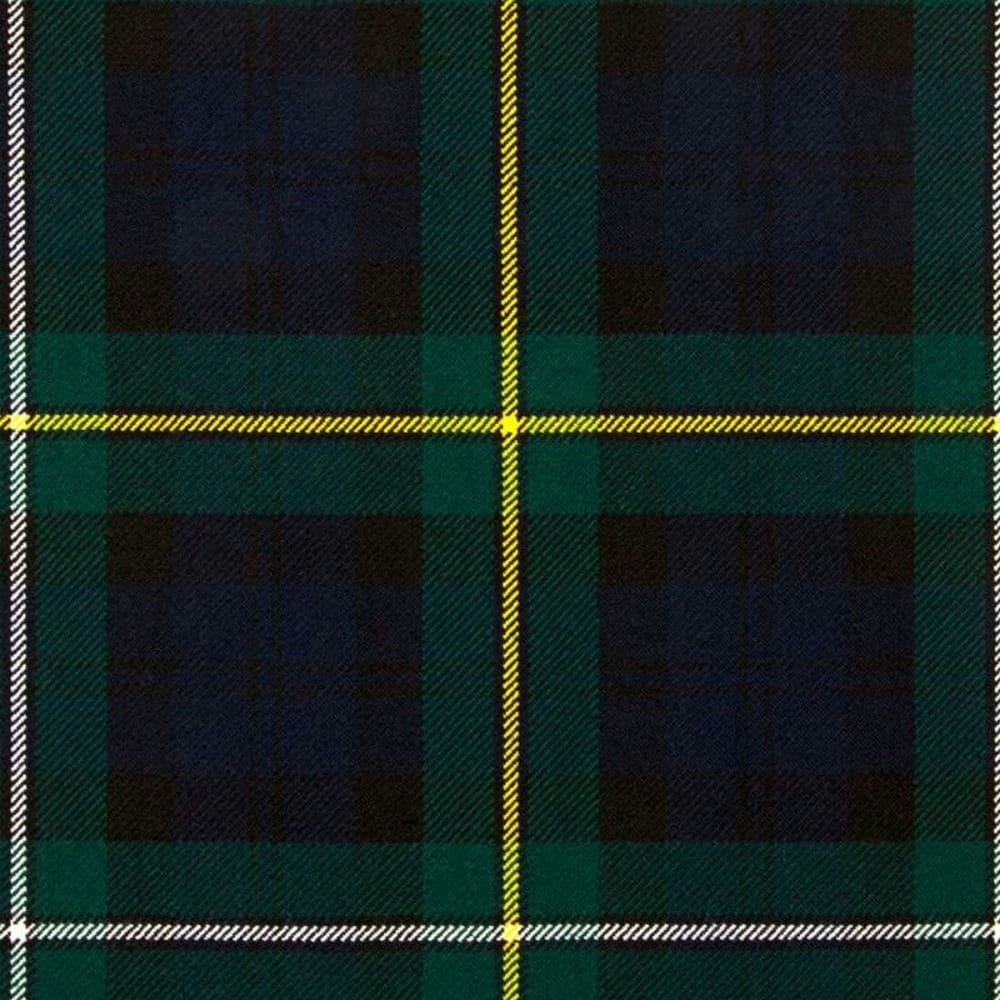
- Modern
 Ancient
Campbell of Louden Modern Tartan · Modern
The Campbell of Louden Modern tartan, made to order by Kilt 4 Less. Choose it for a kilt, a kilted skirt, an accessory or a full Highland outfit — everything below is cut to your own measurements.
- Tartan typeClan and family tartan
- Colours in it
- Black
- Green
- Settings availableAncient and Modern
- How it is madeMade to order and cut to your own measurements
Choose your product
Products in Campbell of Louden Modern
Everything below can be made in the Campbell of Louden Modern tartan. Choose a product, then pick your size and options on the next page — the tartan is already selected for you.
Kiltsthree styles
 Made to order
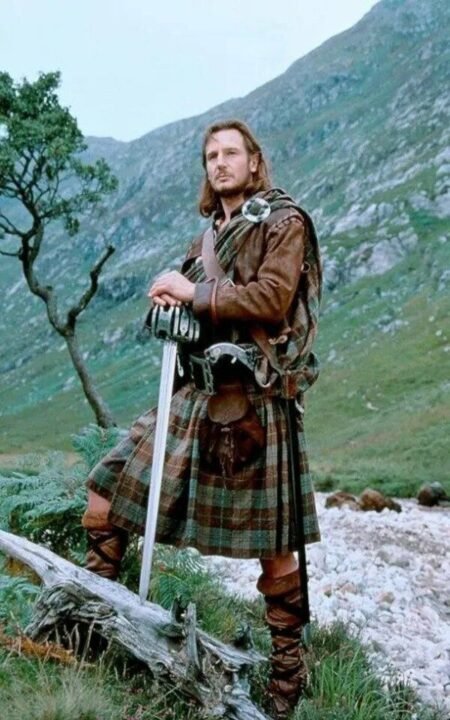
Great Kilt, 6 Yards
Available in Campbell of Louden Modern
Original price was: £205.00.£60.00Current price is: £60.00.Configure → Made to order
Tartan Utility Kilt
Available in Campbell of Louden Modern
Original price was: £110.00.£60.00Current price is: £60.00.Configure →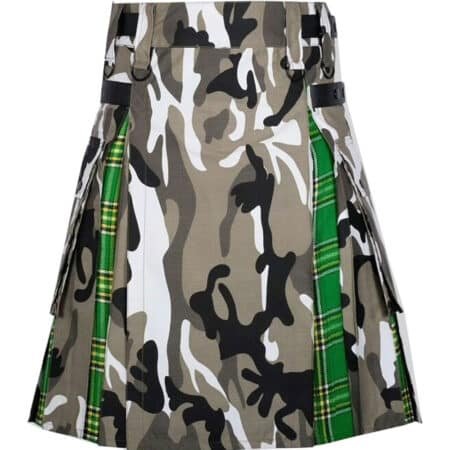 Made to order
Utility Cargo Hybrid Kilt
Available in Campbell of Louden Modern
Original price was: £110.00.£65.00Current price is: £65.00.Configure →
For womenfour styles
 Made to order
Tartan Kilt for Women
Available in Campbell of Louden Modern
Original price was: £120.00.£77.00Current price is: £77.00.Configure →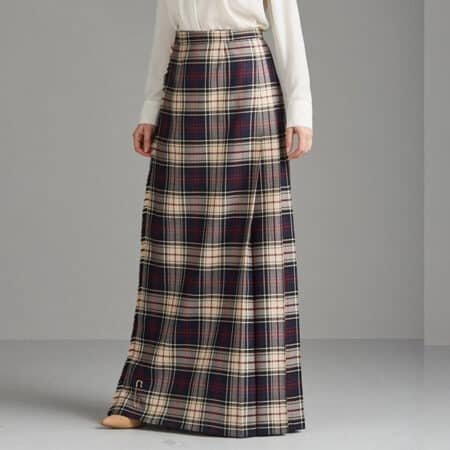 Made to order
The Classic Kilted Skirt, Maxi
Available in Campbell of Louden Modern
Original price was: £350.00.£89.00Current price is: £89.00.Configure →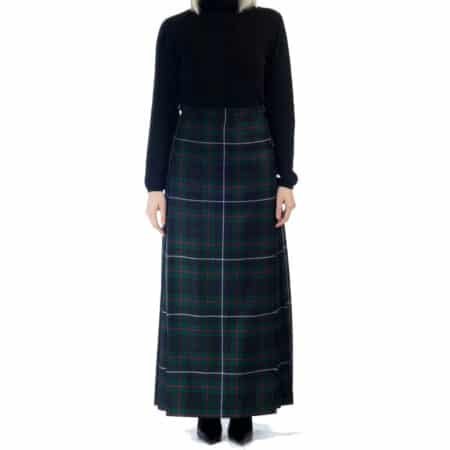 Made to order
Long Kilted Skirt, Maxi
Available in Campbell of Louden Modern
Original price was: £199.00.£145.00Current price is: £145.00.Configure → Made to order
Full Length Hostess Kilt
Available in Campbell of Louden Modern
Original price was: £135.00.£95.00Current price is: £95.00.Configure →
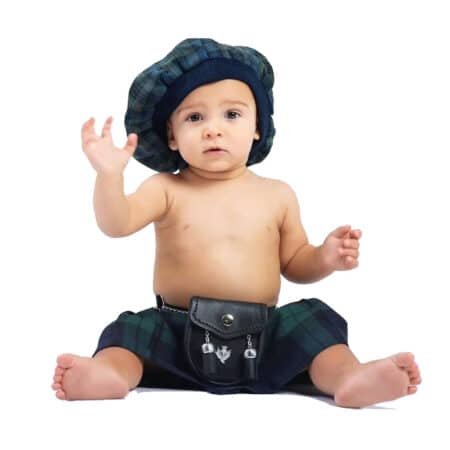
For childrenone style
Accessoriesfour styles
 Made to order
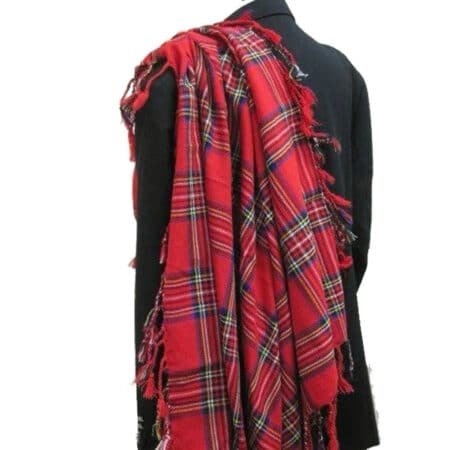
Tartan Fly Plaid
Available in Campbell of Louden Modern
Original price was: £80.00.£45.00Current price is: £45.00.Configure → Made to order
Tartan Sash
Available in Campbell of Louden Modern
Original price was: £99.00.£49.00Current price is: £49.00.Configure →
Full Highland outfits39 styles
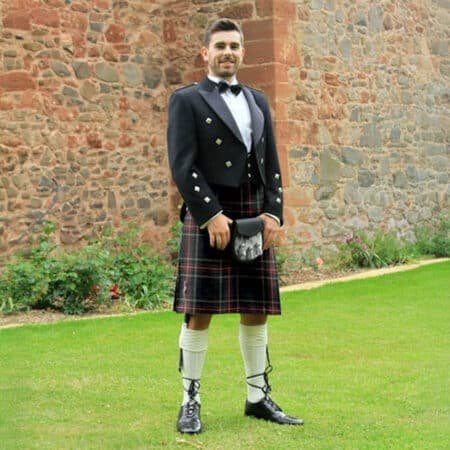 Made to order
Men’s 8 Yard Prince Charlie Kilt Outfit
Available in Campbell of Louden Modern
Original price was: £499.00.£315.00Current price is: £315.00.Configure →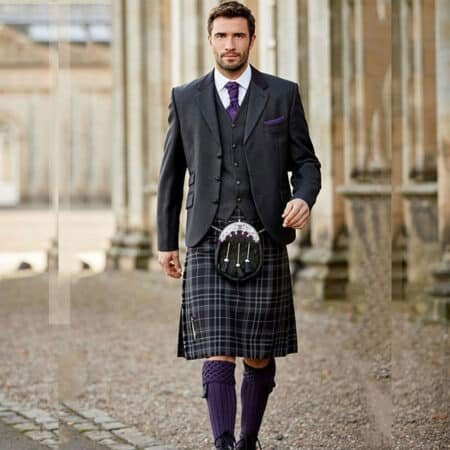 Made to order
McCalls Highland Kilt Outfit With Argyll Jacket
Available in Campbell of Louden Modern
Original price was: £510.00.£270.00Current price is: £270.00.Configure →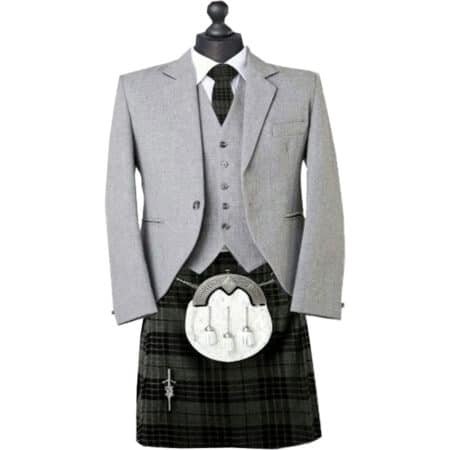 Made to order
Scottish Wedding Men Kilt Outfit
Available in Campbell of Louden Modern
Original price was: £700.00.£304.00Current price is: £304.00.Configure →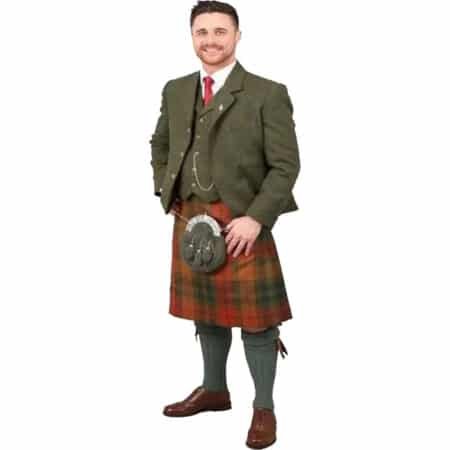 Made to order
Forest Green Tweed Jacket Kilt Outfit
Available in Campbell of Louden Modern
Original price was: £489.00.£249.99Current price is: £249.99.Configure → Made to order
Aberdeen Forever Tartan Argyll Kilt Outfit
Available in Campbell of Louden Modern
Original price was: £623.22.£300.00Current price is: £300.00.Configure → Made to order
Black Isle Argyll Jacket Kilt Outfit
Available in Campbell of Louden Modern
Original price was: £504.00.£315.00Current price is: £315.00.Configure →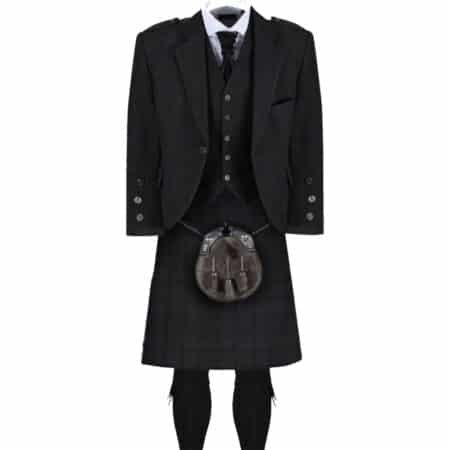 Made to order
Black Isle Dark Grey Tweed Jacket Kilt Outfit
Available in Campbell of Louden Modern
Original price was: £510.00.£315.00Current price is: £315.00.Configure → Made to order
Black Stewart Tartan Argyll Kilt Outfit
Available in Campbell of Louden Modern
Original price was: £467.22.£235.00Current price is: £235.00.Configure →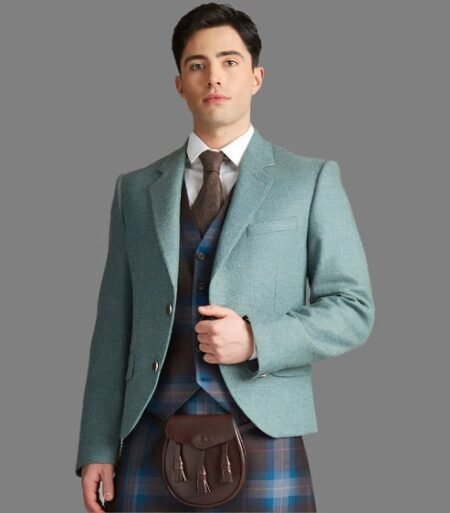 Made to order
Blue Lovat Tweed Jacket Kilt Outfit
Available in Campbell of Louden Modern
Original price was: £504.00.£350.00Current price is: £350.00.Configure → Made to order
Blue Prince Charlie Rangers Outfit
Available in Campbell of Louden Modern
Original price was: £500.00.£320.00Current price is: £320.00.Configure → Made to order
Charcoal Grey Tweed Jacket Kilt Outfit
Available in Campbell of Louden Modern
Original price was: £504.00.£350.00Current price is: £350.00.Configure → Made to order
Clan Giants Causeway JR679T Tartan Black Jacket Kilt Outfit
Available in Campbell of Louden Modern
Original price was: £545.00.£210.00Current price is: £210.00.Configure →
The sett
About the Campbell Of Louden Modern tartan
The rarest of the four Campbell setts the chief recognises belongs to a branch whose earldom left the Campbell surname more than two centuries ago.
An Ayrshire barony that came by marriage
Loudoun in Ayrshire, near Kilmarnock, belonged to the Loudouns of Loudoun, one of the older recorded families in the country. It passed to the Campbells when Sir Duncan Campbell married Susanna Crawford, heiress of Loudoun; Duncan descended from a younger son of Sir Colin Campbell, Lord of Lochawe, which makes this a Lowland offshoot of a Highland house. Sir Hugh Campbell of Loudoun, sheriff of Ayr, was made a lord of parliament as Lord Campbell of Loudoun by James VI in 1601. The accounts then differ over the next step: one has Hugh resigning the peerage around 1619 in favour of John Campbell of Lawers, who had married his granddaughter Margaret, while another simply carries the succession forward. What is agreed is the earldom, created on 12 May 1633 for John Campbell, second Lord Campbell of Loudoun.
That first earl, who lived from 1598 to 1662, was Lord Chancellor of Scotland through the Covenanting decades. He is among the more consequential Scottish politicians of the century, and the branch’s standing rests largely on him rather than on any military record.
Out of the Campbell name
John Campbell, 4th Earl, who lived from 1705 to 1782, was a professional soldier and served as commander-in-chief in North America; Allan Ramsay painted him, and the portrait is in the national collection in Edinburgh. He was succeeded by James Mure-Campbell, 5th Earl, who died in 1786, and then by Flora Mure-Campbell, 6th Countess, who lived from 1780 to 1840 and married the 2nd Earl of Moira, afterwards Marquess of Hastings. From that marriage the earldom has run through the Rawdon-Hastings and Abney-Hastings families; Simon Abney-Hastings is the fifteenth earl. Loudoun Castle in Ayrshire, which survives as a shell, was built in the early nineteenth century for the sixth countess. So the title exists, the branch exists, and neither has been in Campbell hands since the eighteenth century.
A lost regimental pattern?
The 4th Earl raised Loudoun’s Highlanders at Inverness and Perth in August 1745, on the strength of what Highland troops had done at Fontenoy earlier that year. The regiment was mishandled at Prestonpans in September and a good part of it was taken prisoner, then released; three companies were on the government side at Culloden in April 1746, and the corps came close to catching Charles Edward Stuart that August. It was ranked as the 64th Foot in 1747 and disbanded in 1748.
A red Wilsons of Bannockburn pattern of about 1840, recorded as New Louden, has been linked to this regiment. James Scarlett suggested it might be a revival of a sett planned for the Earl’s Highlanders around 1740 and never taken up. That is offered as speculation and the register carries it as speculation; no eighteenth-century cloth or clothing order has been produced to confirm it. It is a good example of how a tartan acquires a history: a plausible guess by a respected researcher, repeated until the hedging drops off.
What the pattern books give
The accepted Loudoun sett is the Government pattern with white and yellow lines added, which is why it is so easily confused with Breadalbane, where only yellow is added. The version modern weavers use comes from the W & A K Johnston books of 1906. An earlier form appears in the 1880 Clans Originaux and differs in one respect: it has no black tramlines on the blue. That is a small difference to describe and an obvious one on the cloth, and it means anyone comparing a modern Loudoun with a Victorian illustration should expect the guard lines to have moved.
Alastair Campbell of Airds listed Loudoun in Campbell Tartan (1985) as one of the four Campbell patterns authorised by MacCailein Mòr, alongside Campbell, Cawdor and Breadalbane. It is also the least often woven of the four, which is why it is harder to find than any of them and why swatches vary more than one might expect.
Taking it up
Campbells of the Loudoun line and those with an Ayrshire connection to the estate have the plainest claim, and Loudon or Louden as a surname belongs to the same ground. Beyond that there is no barrier: the sett carries the chief’s authority, not a restriction, and with the earldom held by a family of another name there is nobody in the branch who would think to object. For a Campbell choosing on grounds of standing rather than colour, this is one of the four that the head of the clan actually recognises.
Sources: Wikipedia, Earl of Loudoun and Loudon’s Highlanders; Clan Campbell Society (North America), Earl of Loudoun and Campbell of Loudoun tartan pages; National Galleries of Scotland, Allan Ramsay portrait of the 4th Earl of Loudoun; Alastair Campbell of Airds, Campbell Tartan (1985), as cited there; Scottish Tartans Authority tartan database notes, including James Scarlett on the New Louden sett; Scottish Register of Tartans.
Near neighbours
Other Campbell of setts we list
This sett has no listing of its own yet. These are the Campbell of tartans we list separately, all available to order in the same way.
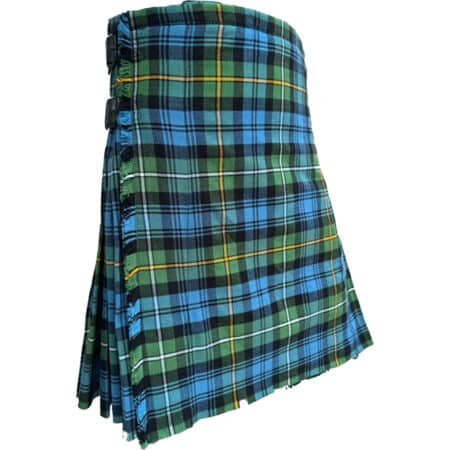 Made to order
Campbell Of Argyll Muted Tartan Kilt
Original price was: £241.80.£159.12Current price is: £159.12.View →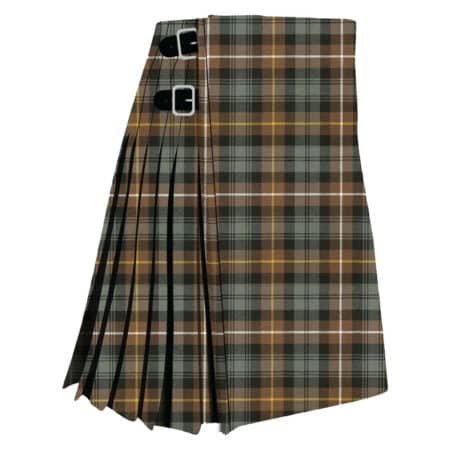 Made to order
Campbell of Argyll Weathered Tartan Kilt
Original price was: £241.80.£99.00Current price is: £99.00.View → Made to order
Campbell of Argyll Ancient Tartan Kilt
Original price was: £241.80.£79.00Current price is: £79.00.View →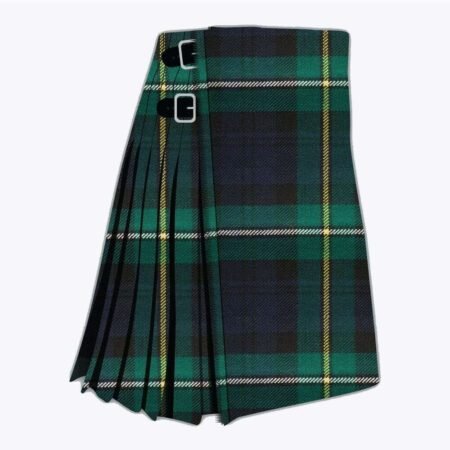 Made to order
Clan Campbell Of Argyll Modern Tartan Kilt
Original price was: £210.00.£100.00Current price is: £100.00.View →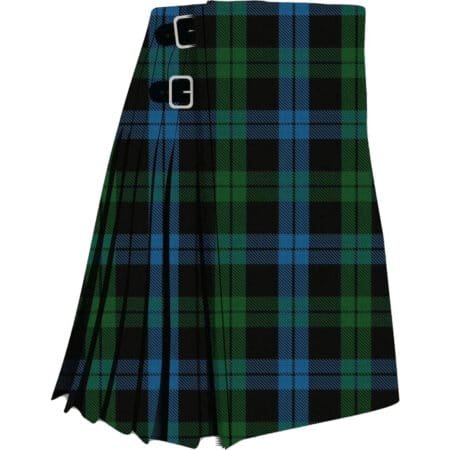 Made to order
Campbell Of Lochawe Ancient Tartan Kilt
Original price was: £241.80.£159.00Current price is: £159.00.View → Made to order
Campbell of Lochawe Modern Tartan Kilt
Original price was: £241.80.£159.00Current price is: £159.00.View →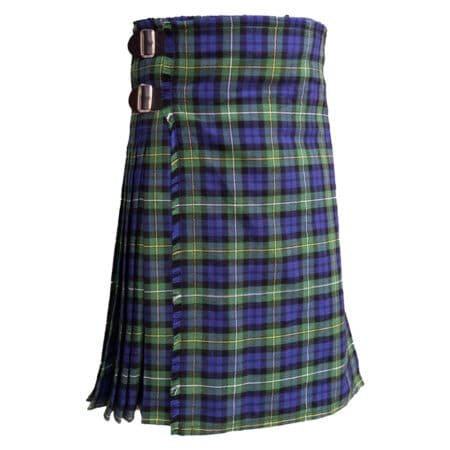 Made to order
Campbell of Loudoun Modern Tartan Kilt
Original price was: £210.00.£122.00Current price is: £122.00.View → Made to order
Campbell of Cawdor Weathered Tartan Kilt
Original price was: £241.80.£159.00Current price is: £159.00.View →
Near neighbours
Other Campbell of Louden setts
The same pattern in different depths of colour. Any of them can be made up in any style above.
Not the sett you were after?
All 2,107 tartans are available to order, and any of them can be cut into any style on this page.